
Introduction
For many people in the UK, caravan living represents freedom, flexibility, and a simpler way of life.
Whether you want to spend more weekends exploring the countryside, travel along the coast, work remotely while moving between locations, or simply enjoy a more minimalist lifestyle, you may have wondered:
Can you actually live in a caravan in the UK?
Before making the move, beginners often have many questions:
· Is it legal to live in a caravan permanently?
· Where can you legally park a caravan?
· How do you manage electricity, water, and everyday essentials?
· Can your car tow a caravan safely?
The answer depends on how you plan to use your caravan and where you want to stay. Spending a few weeks in a caravan park during summer is very different from using a caravan as your main home.
This guide explains the basics of caravan living in the UK, covering everything from short-term holidays and long-term stays to legal requirements, daily comfort, electricity solutions, and practical tips for a better experience.

Caravan Living: Holiday Experience or Long-Term Lifestyle?
Caravan living means different things to different people.
For some, it is simply a way to enjoy outdoor adventures. For others, it becomes a completely new lifestyle.
Short-Term Caravan Living: Holidays and Weekend Getaways
Short stays are the most common type of caravan use in the UK.
Many families and couples use caravans for:
· Weekend trips
· Summer holidays
· School holiday adventures
· Coastal breaks
· Camping experiences
Holiday parks and caravan sites make this lifestyle easier by providing facilities such as electricity hook-ups, water supplies, entertainment, shops, and other services.
Popular destinations such as Haven caravan parks attract many UK families because they offer convenient facilities and family-friendly environments.
For beginners, starting with short trips is often the best way to understand whether caravan life suits you before making a bigger commitment.
Long-Term Caravan Living: Can a Caravan Become Your Home?
Some people choose to spend much longer periods living in a caravan.
Common reasons include:
· Reducing housing costs
· Enjoying more freedom and flexibility
· Working remotely while travelling
· Exploring the UK after retirement
· Choosing a simpler lifestyle
However, full-time caravan living requires much more planning than a holiday.
A modern caravan can provide sleeping areas, cooking facilities, storage, and basic comforts. But your daily experience depends heavily on where you stay and whether you have reliable access to:
· Electricity
· Water
· Heating
· Internet
· Waste disposal facilities
Is It Legal to Live in a Caravan Permanently in the UK?
This is one of the biggest questions for anyone considering caravan living.
The short answer is:
Yes, it can be possible, but there are important rules to follow.
You cannot simply park a caravan anywhere and use it as your permanent home.
The key factors include:
· Where the caravan is located
· Whether the site allows residential use
· Local planning rules
· Site licences and permissions
Can a Caravan Be Your Main Residence?
In some situations, a caravan can be used as your main home.
However, the location matters.
For example, many holiday caravan parks operate under holiday-use licences rather than residential licences.
Even if a park is open for most of the year, this does not automatically mean you can legally use the caravan as your only permanent residence.
Many holiday parks require owners to maintain a separate main residential address and restrict full-time living.
If you want to live in a caravan as your main home, residential caravan parks or approved residential sites are usually the most suitable option.
Can You Live in a Caravan on Private Land?
Many people assume:
“My land means I can park a caravan and live there.”
However, UK planning rules are more complicated.
If you want to use a caravan as a long-term home on private land, you may need planning permission from your local council.
The requirements depend on factors such as:
· Location
· Length of stay
· Existing land use
· Local planning policies
Without the correct permissions, the council may ask you to stop using the caravan as a permanent residence or remove it.

Where Can You Legally Park a Caravan?
There are several common options.
Residential Caravan Parks
These are designed for people who want long-term caravan living.
Benefits include:
· Approved residential use
· Long-term pitches
· Access to facilities
· More stable living arrangements
Always check the specific site rules before moving in.
Holiday Caravan Parks
Holiday parks are ideal for:
· Family holidays
· Seasonal stays
· Short breaks
Many offer excellent facilities, but they usually do not allow caravans to be used as permanent homes.
Touring Caravan Sites
Touring sites are better suited for people who enjoy travelling.
They allow you to move between different locations and explore different parts of the UK.
However, they are generally not intended for permanent residence.
Private Land
Private land may be an option, but you should always check planning requirements before using it as a long-term living space.
How to Live Comfortably in a Caravan
Modern caravans are designed to provide many home comforts, but preparation is still essential.
How Do Caravan Owners Get Electricity?
Electricity is one of the biggest considerations when living in a caravan.
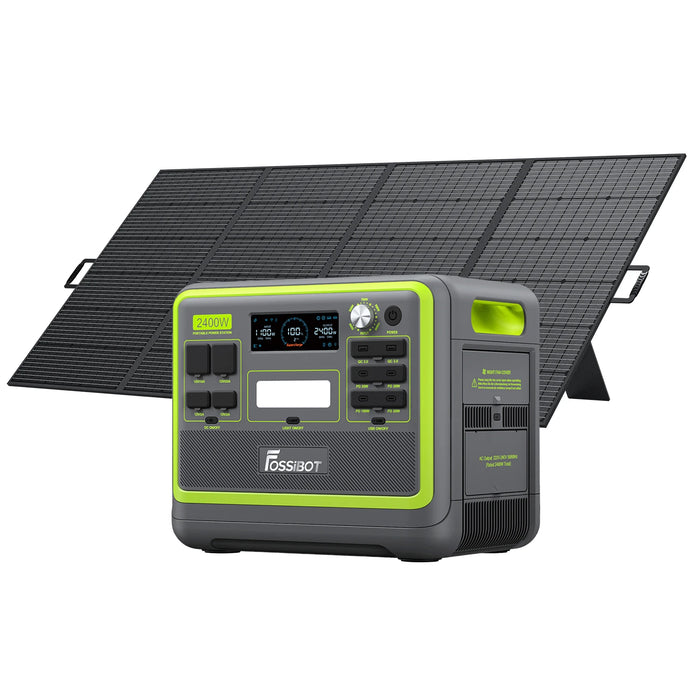
There are several common solutions: Campsite Electric Hook-Up, Solar Power for Caravans and Portable Power Stations for Caravan Backup.
Water, Cooking and Heating
Electricity is only one part of caravan living.
You also need to manage:
· Fresh water supplies
· Waste water disposal
· Gas for cooking
· Cleaning supplies
If you travel away from established caravan sites, planning becomes even more important.
Staying Warm and Managing Moisture
UK weather can be unpredictable, especially during colder months.
Heating is important, but moisture control is equally important.
Good habits include:
· Keeping the caravan ventilated
· Reducing condensation
· Using suitable heating solutions
· Preparing warm bedding
Proper ventilation can make a significant difference to comfort.
Can You Tow a Caravan? What Beginners Need to Know
Many new caravan owners ask:
Can I tow a caravan with my car?
The answer depends on:
· Your driving licence
· Your vehicle’s towing capacity
· The caravan’s weight
UK Caravan Towing Rules in 2026
Since December 2021, towing rules in Great Britain have become simpler.
Most drivers with a full UK driving licence no longer need to take an additional towing test to tow a caravan.
However, this does not mean every vehicle can tow every caravan.
Before choosing a caravan, check:
· Your licence entitlement
· Your car’s maximum towing capacity
· The caravan’s Maximum Authorised Mass (MAM)
· Weight limits for your vehicle combination
Always make sure your car and caravan are a safe match.
Caravan Speed Limits in the UK
When towing a caravan, the usual maximum speeds are:
· Motorways: 60 mph
· Dual carriageways: 60 mph
· Single carriageways: 50 mph
Caravans cannot use the outside lane of a motorway with three or more lanes.
What Happens If Your Caravan Breaks Down?
Long journeys always come with some risks.
Common problems include:
· Tyre issues
· Electrical faults
· Mechanical problems
· Towing equipment failures
Before travelling, consider:
· Caravan breakdown cover
· Emergency contacts
· Basic tools
· Spare equipment
If you enjoy travelling to remote areas, preparation becomes even more important.
Tips for a More Comfortable Caravan Lifestyle
Caravan living is not just about having somewhere to sleep. It is about creating a comfortable and reliable living space.
Stay Connected While Travelling
Many people now work remotely from caravans.
A comfortable setup may include:
· Mobile internet
· Wi-Fi routers
· Laptop charging solutions
· Reliable power sources
Prepare for Off-Grid Adventures
If you enjoy travelling away from traditional campsites, consider preparing:
· Solar charging options
· Backup power
· Emergency lighting
· Extra water supplies
· Weather protection equipment
A little preparation can make unexpected situations much easier.
Caravan Living FAQs
1. Can you permanently live in a caravan in the UK?
Yes, but you need to stay in locations that allow residential use, such as approved residential caravan parks. Holiday parks usually have restrictions on permanent living.
2. Can I live in a caravan on my own land?
It depends on local planning rules. Owning land does not automatically allow permanent caravan living.
3. Can my car tow a caravan?
Many vehicles can tow caravans, but you must check your driving licence, vehicle towing capacity, and caravan weight.
4. Is living in a caravan cheaper than renting a house?
It depends on your lifestyle and location. Caravan living can reduce some costs, but you still need to consider pitch fees, insurance, maintenance, energy, and repairs.
5. Do caravans have their own electricity?
Some caravans have built-in battery systems, while many owners use campsite hook-ups, solar panels, or portable power stations for additional energy.
6. Do you pay council tax if you live in a caravan?
It depends on the type of caravan, location, and whether it is considered your main residence. Residential caravan sites may have different arrangements compared with holiday parks or temporary stays.
Conclusion: Is Caravan Living Right for You?
Caravan living offers a unique way to enjoy more freedom, flexibility, and outdoor experiences.
For some people, it is the perfect way to enjoy holidays and weekend adventures. For others, it can become a completely different lifestyle.
However, successful caravan living requires preparation:
· Understand the legal requirements
· Choose the right place to stay
· Plan electricity and essential supplies
· Prepare for unexpected situations
With the right planning, a caravan can become much more than a vehicle. It can become a gateway to a more flexible and independent way of life.


